Shaping the future of skills in European tourism

Shaping the future of skills in European tourism

12/18/2025 - 13:13

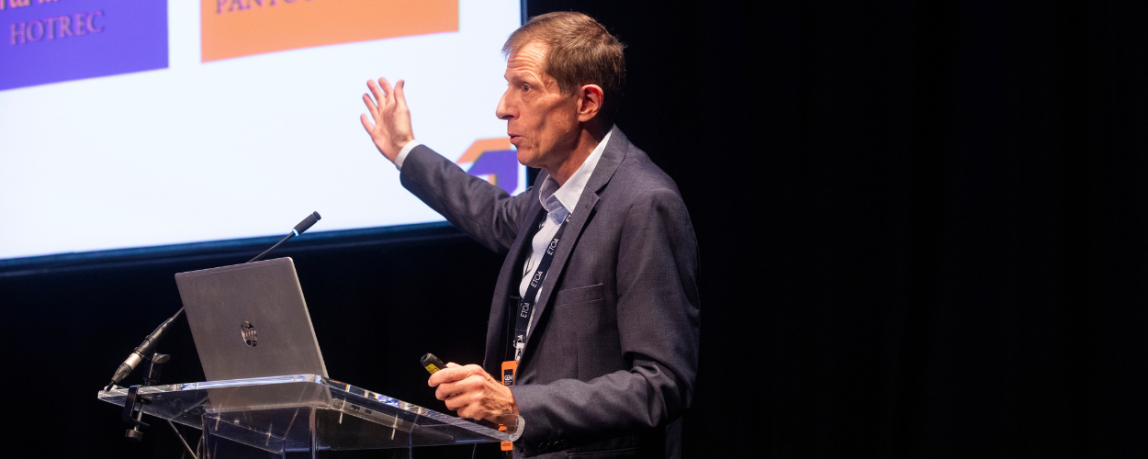
PANTOUR’s first International Conference in London marked an exciting milestone in the project’s final year, bringing together leading experts, educators, and industry voices to explore how the tourism workforce is evolving in a rapidly changing world.
Tourism
  • Expertise
  • News
  • Research

PANTOUR (Pact for Next Tourism Generation Skills) is an initiative aimed at advancing innovation and developing green, digital and social skills within the tourism sector. As a successor to the Next Tourism Generation Skills (NTG) Alliance, PANTOUR builds on existing knowledge to address the evolving needs of the sector.

A deep dive into the future of tourism jobs 
Held in collaboration with ETOA (European Tourism Association) and aligned with their Global European Marketplace event, the PANTOUR conference delivered a dynamic programme filled with insights, dialogue, and shared commitment to strengthening skills development across Europe. 

Is my tourism career safe in the age of digital transformation? 
The central question framing the event, Will my job exist in five years?, sparked conversations that moved far beyond job survival. Across keynote presentations and panel discussions, speakers highlighted that the future of tourism work is not simply about roles disappearing or emerging, but about the purpose, adaptability, and human connection that shape meaningful careers. 

The conference opened with an inspiring keynote from Corné Dijkmans (BUas) on the changing tourism landscape, setting the scene for a lively and honest panel discussion moderated by Lobke Elbers (BUas).  

Keeping the human touch in tourism 
Tourism experts Marta Machado (HOTREC), Kelly Strong (Strong Recruitment), and Michael Quinn (Failté Ireland) shared their knowledge on workforce skills, hiring practices, industry research, and education. 

Together, they explored the industry's most pressing challenges: critical skills gaps, talent shortages, and the disconnect between education and workforce needs, as well as discussing ways to strengthen collaboration between employers and training institutions. 

The panel also examined digital and sustainable transformation, addressing how to modernise tourism qualifications to reflect today's industry realities. They explored strategies for making tourism careers more appealing to students, parents, and career changers, showcasing European best practices in AI-driven HR, innovative training models, and sustainable employment pathways. 

Industry leaders emphasised the importance of keeping the human touch in tourism. Interpersonal skills remain the sector's defining strength and competitive advantage: strong communication, empathy, and cultural sensitivity create positive visitor experiences, build trust, and strengthen destination reputations, making social competence essential for successful service delivery. 

The discussion also covered green skills development and workplace sustainability gaps. Alison Atkinson (Avanti Destinations) and Tim Fairhurst (ETOA) examined compliance challenges, both internal and regulatory, highlighting the importance of up-to-date resources for organisations navigating this transition. 

The conference concluded with predictions for emerging job roles and future skills needs, highlighting the tourism sector's evolution toward a more sustainable, digitally-enabled, yet fundamentally human-centered industry. 

Closing digital skill gaps requires targeted training 
Professor Dimitrios Buhalis (Bournemouth University Business School) emphasised that closing digital skill gaps requires targeted training, accessible resources, and continuous learning. As technology transforms booking systems, marketing, and customer service, collaboration between industry, education, and government is essential to ensure training meets real-world needs.  
 
By investing in workshops, mentorship, and encouraging experimentation with new platforms, tourism businesses can improve efficiency, enhance guest experiences, and build a resilient, future-ready sector. 

Looking ahead to Brussels 2026
With its first international conference now concluded, PANTOUR is already preparing for the next milestone: the second International Conference in Brussels on 26 February 2026

A follow up project, FuTourAlliance, will kick-off in January 2026. The FuTourAlliance project continues on PANTOUR and addresses the skills gap and the urgent need to prepare the workforce for the digital and sustainable transformation.


Read more about PANTOUR on buas.nl